

Introduction
A notable earthquake is going on in the restaurant business. With digital platforms like Swiggy, Zomato, DoorDash, Uber Eats, and Deliveroo, the whole mechanism of how people find restaurants, place orders, and interact with those restaurants has changed. Online ordering, delivery apps, and the food aggregators that stand at the intersection have now become more important than just the taste and service of a restaurant.
Pricing adjustments, menu engineering, location analyses, and tracking customer sentiments are things that have become very typical for any restaurant nowadays, making them data-driven businesses. But from where do they get this data?
That is where food data scraping comes in-the extraction of structured information from sites or online sources like delivery applications, restaurant listings, and customer reviews. By converting scattered web data into actionable information, food data scraping is rapidly making restaurants grow faster, compete smarter, and cater to consumer trends.
In this blog, we will dissect the different aspects of how food data scraping is indeed changing restaurant growth strategies, along with the main benefits, the difficulties faced, and why acceptance of this technology is a must rather than a choice.
Why Restaurants Need Data-Driven Growth Strategies
Restaurants face unique challenges in today’s competitive market:
- High Competition
Hundreds of restaurants operate within the same delivery radius on aggregator apps, making differentiation critical. - Dynamic Consumer Preferences
Health-conscious diets, vegan trends, and seasonal demands shift constantly. - Rising Costs
Ingredient prices, labor wages, and delivery commissions increase operating pressure. - Platform Dependence
Restaurants are heavily influenced by aggregator algorithms and promotions. - Customer Expectations
Consumers demand transparency in pricing, nutritional details, and delivery times.
To thrive, restaurants need strategies that are not just based on intuition but on real-time, data-backed intelligence.
What Is Food Data Scraping?
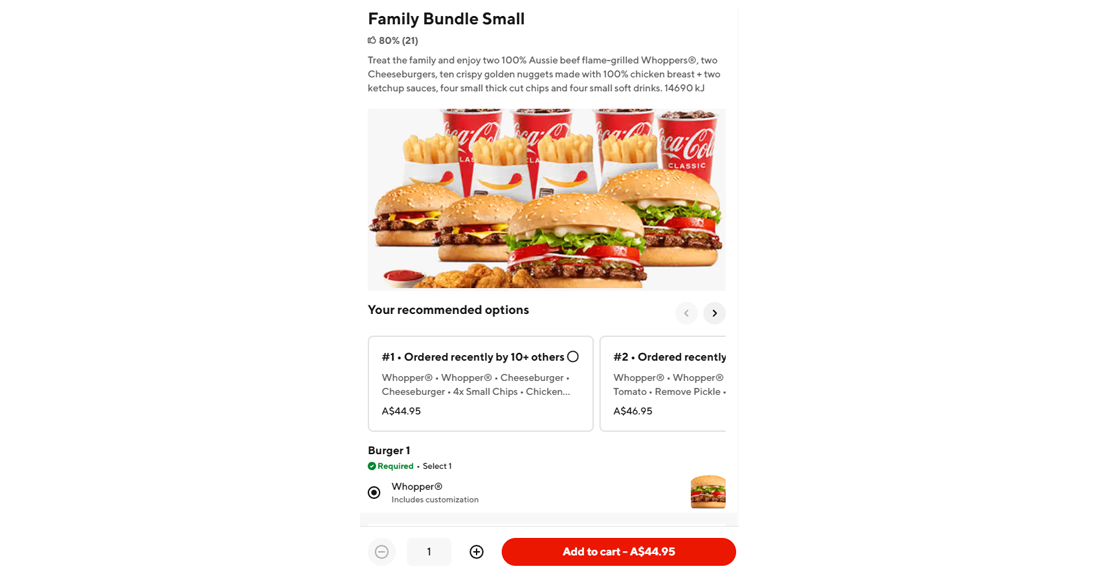
Food data scraping is the automated process of collecting data from food-related online sources. This includes:
- Restaurant listings on aggregator platforms.
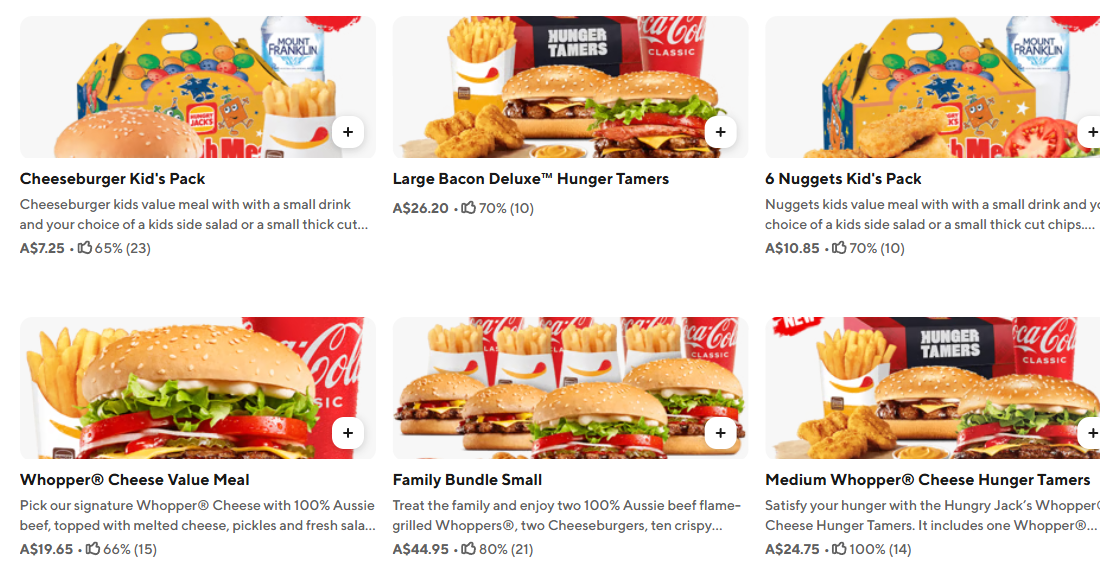
- Competitor menus and pricing.
- Delivery charges and radius information.
- Customer reviews and ratings.
- Promotions, discounts, and festival offers.
Instead of manually tracking competitors or conducting expensive surveys, scraping allows restaurants to build a comprehensive, always-updated dataset.
Key Areas Where Food Data Scraping Fuels Growth
1. Competitive Pricing Intelligence
Price has been one of the strongest factors influencing the decision-making of the customer. Through scraping competitor menus and pricing across the delivery apps, restaurants can:
- Benchmark their prices against competitors.
- Identify underpricing or overpricing gaps.
- Implement dynamic pricing strategies during peak hours or special events.
Example: If three competitors are charging between ₹220 and ₹250 in a specific area for “Paneer Butter Masala,” strategically pricing the dish at ₹230 with, say, a free side dish offered by the restaurant will yield a larger market share.
2. Menu Gap Analysis
Not every menu satisfies local demand. Scraping competitor menus reveals opportunities for innovation.
- Identify dishes trending locally that aren’t offered by many outlets.
- Spot missing categories (e.g., vegan desserts, keto-friendly meals).
- Introduce combos or bundles that competitors lack.
Example: If Google or Yelp reviews show a sudden surge in demand for gluten-free options, and if few to no restaurants offer such foods, gluten-free pizzas can fill that gap on the menu profitably.
3. Customer Sentiment Analysis
Customer reviews are a goldmine for improvement. Scraping ratings and text reviews provides:
- Insights into competitor strengths and weaknesses.
- Common complaints (e.g., poor packaging, delayed delivery).
- Consumer perception of pricing and portion sizes.
Restaurants can use this feedback loop to refine quality and service.
4. Delivery Performance Optimization
Scraping delivery time estimates and charges helps restaurants:
- Compare their performance with competitors.
- Identify high-delivery-charge regions to optimize logistics.
- Improve kitchen workflows for faster preparation.
Example: If your competitors consistently deliver within 25 minutes, while you average 40 minutes, then the focus should immediately be on streamlining operations.
5. Promotion & Offer Benchmarking
Promotions play a huge role in customer acquisition. Scraping data on competitor discounts enables:
- Designing more attractive offers.
- Timing campaigns during festivals and weekends.
- Evaluating ROI on promotional spending.
6. Location Intelligence
Expansion decisions often make or break restaurant chains. With scraping, restaurants can:
- Identify underserved areas with fewer options for specific cuisines.
- Analyze restaurant density in target locations.
- Understand regional preferences before launching new outlets.
Example: Should one neighborhood support 30 leveriers of biryani while only two outlets provide for Mexican food, the data presents an encouraging opportunity for a Mexican food-centric kitchen.
Benefits of Food Data Scraping for Restaurant Growth
- Data-Driven Decision-Making
Move beyond guesswork with real-time competitive insights. - Higher Profit Margins
Optimize pricing and promotions to maximize ROI. - Faster Innovation
Spot and adapt to food trends before rivals. - Improved Customer Retention
Deliver dishes customers want, with better quality and fair pricing. - Regional Customization
Tailor menus and strategies to specific markets. - Scalable Growth
Apply the same data-driven framework across multiple outlets.
Challenges in Implementing Food Data Scraping
While the benefits are immense, challenges remain:
- Anti-Scraping Mechanisms: Platforms use CAPTCHAs, IP blocking, and rate limits.
- Dynamic Structures: Delivery apps update frequently, breaking scrapers.
- Data Cleaning Needs: Raw data often contains duplicates and inconsistencies.
- Legal Compliance: Respecting terms of service and privacy laws is essential.
- Infrastructure Requirements: Scaling requires robust cloud-based systems.
Best Practices for Food Data Scraping
- Define Clear Goals
Scrape only relevant data for pricing, menus, or sentiment analysis. - Automate Updates
Schedule scraping regularly (daily, weekly, real-time) to maintain accuracy. - Standardize Data
Clean and structure data for easy integration with BI tools. - Stay Compliant
Use ethical scraping methods aligned with legal frameworks. - Leverage Analytics
Feed data into visualization tools like Power BI or Tableau for insights. - Outsource Expertise
Partner with professional scraping providers for scalability and reliability.
Future of Restaurant Growth with Food Data Scraping
The next phase of restaurant growth will combine AI, machine learning, and food data scraping to create hyper-personalized strategies.
- Dynamic Menus – Automatically updated as per local demand.
- AI-Powered Pricing- Real-time price adjustments in response to competitor activities.
- Predictive Analytics- For predicting new trends in cuisine to prepare ahead with menus.
- Personalized Promotions- Offers placed for individual customers according to their order history and preferences.
Restaurants that adopt these innovations early will dominate the market.
Scaling Restaurant Chains with Data Scraping
For single outlets, scraping offers incremental improvements. For chains, it’s transformative:
- Benchmark pricing across dozens of outlets.
- Standardize menus while adapting regionally.
- Plan expansions with confidence.
- Build consistent but localized growth strategies.
With data scraping, scaling doesn’t mean losing control—it means gaining precision.
Conclusion: The Future Belongs to Food Data Scraping
The restaurant industry is entering new eras where growth strategies must be data-driven, not intuition. Competitive pricing, menu optimization, delivery efficiency, and customer sentiment all rely on information that only scraping can provide in sufficient quantities.
Through the use of Food Data Scraping, a restaurant can:
- Find market gaps.
- Benchmark competition.
- Set prices and promotions.
- Confidently grow into new territories.
For restaurants intent on flourishing in a hyper-competitive, digital-first landscape, food data scraping is no longer just a competitive advantage; it is the very foundation upon which future growth can be built.
Leave feedback about this