
Introduction
Modern food economy strategies for growth require data. Restaurant discovery and reviews, menu assessment, and delivery insight-this is how businesses begin to make smarter decisions with data. Zomato is one of the richest data sources available in the realm of food technology. It is a global platform that connects millions of customers and thousands of restaurants.
The question is-how does one tap into this expansive data ecosystem?
The answer lies in the Zomato API. Offering structured access to restaurant listings, menus, reviews, and ratings, the Zomato API enables companies to create analytics tools, dashboards, and competitive benchmarks. So by way of APIs, one can perform data extraction on a real-time, automated, and scalable basis, instead of fragmented manual information collection.
In this blog, we’ll explore:
- Why Zomato data is valuable for businesses.
- What you can access through the Zomato API.
- Step-by-step guidance on extracting Zomato data.
- Use cases across restaurants, FMCG brands, delivery aggregators, and analysts.
- Challenges and best practices.
- Why Food Data Scraping is the backbone of sustainable insights.
Why Zomato Data Matters
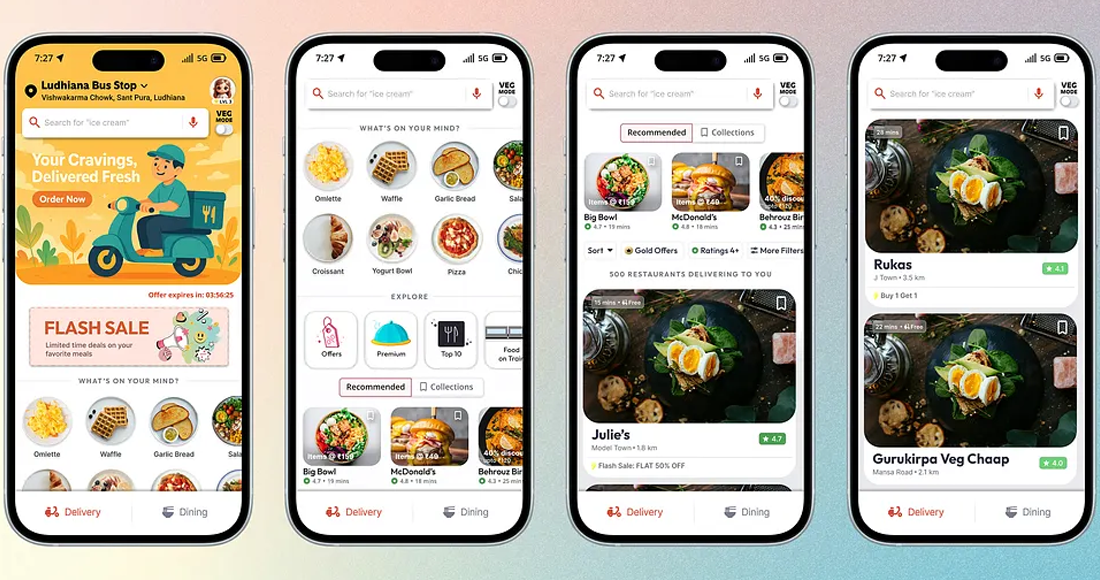
Zomato is kind of a restaurant catalog now, especially because it has become a data-rich platform reflecting consumer behavior and market trends.
Businesses rely on Zomato data for:
- Restaurant Discovery – Competitor listings and coverage.
- Menu Insights – Item details, categories, and pricing.
- Consumer Sentiment – Ratings, reviews, and feedback loops.
- Operational Metrics – Delivery times, service charges, surge pricing.
- Market Research – Cuisine trends across different regions.
In short, Zomato provides a micro and macro view of the food economy—making it invaluable for restaurants, delivery platforms, investors, and FMCG brands.
What Is the Zomato API?
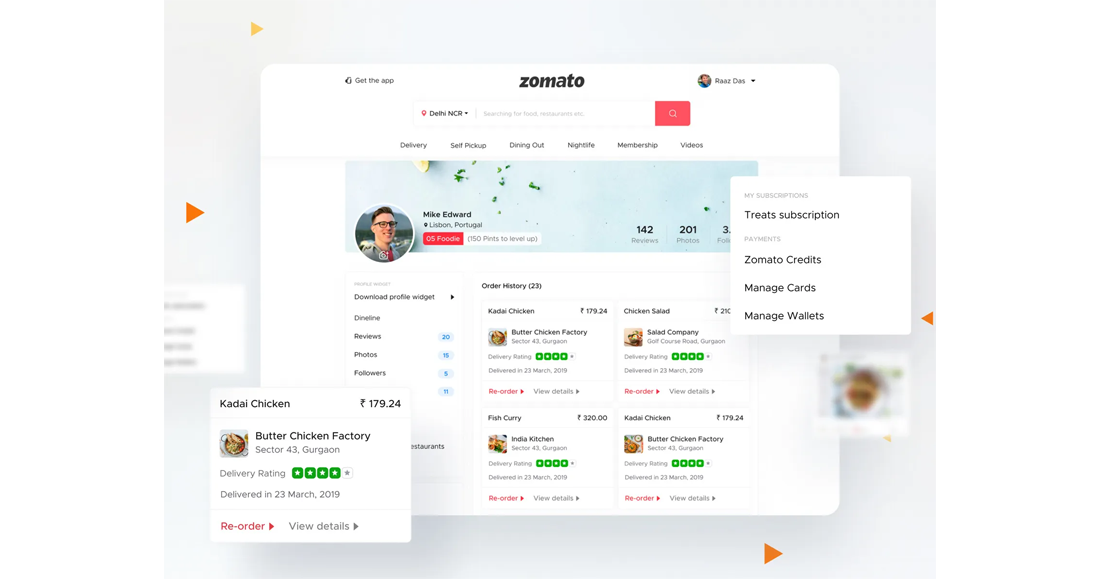
Application programming interfaces are software intermediaries between two applications. The Zomato API provides structured access to publicly available data of the platform to collect, store, and analyze information on a large scale.
Features of the Zomato API:
- Restaurant Search – Access details by location, cuisine, or keyword.
- Menus & Dishes – Retrieve structured menu information.
- Reviews & Ratings – Extract consumer sentiment data.
- Categories & Collections – Identify curated restaurant groups.
- Location Data – Analyze coverage by city, area, or PIN code.
This API essentially transforms Zomato into a business intelligence engine.
Step-by-Step: How to Extract Data Using Zomato API
Step 1: Get Access
- Sign up for the Zomato Developer Platform.
- Generate your API key (a unique identifier for authentication).
Step 2: Understand API Endpoints
Common endpoints include:
- /search – Search for restaurants.
- /restaurant – Get detailed information about a specific restaurant.
- /reviews – Access customer reviews.
- /categories – Retrieve available categories.
- /cuisines – List cuisines in a city.
Step 3: Send API Requests
Use tools like Postman, cURL, or custom scripts in Python/JavaScript to send requests. Example:
import requests

api_key = "your_zomato_api_key"

headers = {"user-key": api_key}

url = "https://developers.zomato.com/api/v2.1/search?entity_id=4&entity_type=city&q=pizza"

response = requests.get(url, headers=headers)

data = response.json()

print(data)
This code retrieves pizza restaurants in a specified city.
Step 4: Process the Data
- Extract useful fields (restaurant name, menu items, prices, ratings).
- Store the data in a database (SQL, MongoDB).
- Clean and normalize data for analysis.
Step 5: Analyze and Visualize
- Use BI tools like Power BI or Tableau.
- Build dashboards for competitor tracking, menu pricing, or customer sentiment.
Use Cases of Zomato API Data
1. Competitive Benchmarking
Restaurants can track competitor menus, pricing, and reviews to adjust their own strategies.
2. Menu Engineering
Identify popular dishes in a region and adapt your menu to capture demand.
3. Customer Sentiment Analysis
Scraping reviews highlights what customers love or dislike, guiding quality improvements.
4. Location Intelligence
Analyze Zomato listings to identify underserved neighborhoods for expansion.
5. Promotions & Offers
Track competitor campaigns and design better offers for customers.
6. Market Research
Investors and analysts can use Zomato data to spot emerging cuisine trends and growth hotspots.
Benefits of Extracting Data with Zomato API
- Real-Time Insights: Data is noted and garnished with new information, meaning decisions hold less weight in the current moment.
- Scalability-Dependent: Extract any number of records ranging into thousands across different cities.
- Efficiency: Save your time and energy compared to manual data collection.
- Integration: We can integrate with your internal systems and automate the entire process.
- Customization: Choose fields that are relevant to your business.
Challenges in Using Zomato API
While the API is powerful, businesses should be mindful of limitations:
- Rate Limits – APIs often cap the number of requests per day.
- Access Restrictions – Some data fields may be restricted.
- Data Cleaning Needs – Raw API output requires processing.
- Scalability Costs – Larger datasets may need premium API access.
- Legal Considerations – Ensure compliance with Zomato’s terms of service.
Best Practices for Zomato Data Extraction
- Set Clear Parameters – Avoid scraping unnecessary fields.
- Automate Updates – Schedule API calls for data freshness.
- Invest in Cleaning- Standardize formats for analysis.
- Ensure Compliance – Abide by legal limits and API terms.
- Integrate with Analytics Tools – Employ dashboards for swift action.
- Outsource Expertise – Collaborate with API and scraping gurus on grand-scale projects.
The Future of Zomato Data Intelligence
With AI and machine learning integration, Zomato data scraping will evolve further:
- Dynamic Pricing – Real-time monitoring of competitor prices.
- Predictive Analytics – Anticipating demand spikes during festivals.
- Personalization – Menu recommendations about consumer profiles.
- Operational Optimization – Smarter inventory planning using demand data.
The fusion of Zomato API and AI will shape the next generation of restaurant intelligence systems.
Scaling Businesses with Zomato Data
Whether you’re a single restaurant, a multi-chain brand, or a global FMCG company, Zomato API data provides:
- Competitive advantage.
- Better customer retention.
- Faster expansion planning.
- Higher profit margins.
Businesses that embrace Zomato data scraping will scale smarter, faster, and more sustainably.
Conclusion: The Essential Role of Food Data Scraping
Zomato is more than just a restaurant discovery app: it is a data engine reflecting consumer demand, competitive benchmarks, and emerging market trends. Data extraction with the Zomato API gives businesses:
- Monitor competitors.
- Optimize menus and pricing.
- Track customer sentiment.
- Expand intelligently into new markets.
At the heart of this lies Food Data Scraping—the practice of turning raw platform data into structured insights. For restaurants, brands, and analysts alike, food data scraping isn’t just a technical advantage—it’s the foundation of growth in the digital-first food economy.