
Introduction
Food delivery applications have revolutionized global dining in just a few years. In this context, Glovo is seen across Europe, Africa, and other parts of the world as one of the frontrunners with its headquarters in Spain. This little cool app provides food delivery as well as products like groceries ended pharmacy, and up to serious things like electronics.
Competition is very strong in 2025 in the food delivery app industry. They need a profound understanding of the behavior of users in restaurants, FMCG brands, logistics players, and expanding to the investor, which is the mission for survival. Data from Glovo includes everything from menus to orders, reviews, and promotions—all leading to some beautiful insights into consumption, spending, and behavioral choices.
Scraping is not necessarily an easy job or profitable if done manually. But then again, the Glovo food delivery app is a pretty useful aspect of such automation. By extracting structured data from Glovo through scraping, a business can keep track of user behavioral patterns in real-time and rearrange its strategies and growth models in such a way that they will resonate well with the evolving food-delivery economy.
This blog will explore:
- Why Glovo data is valuable in 2025.
- What insights do user behavior trends reveal?
- How to scrape Glovo app data.
- Use cases across restaurants, FMCG brands, and researchers.
- Benefits, challenges, and best practices.
- Why Food Data Scraping is central to future-ready business strategies.
Why Glovo Data Is Valuable in 2025
That is why people really like Glovo because of the variety of services it offers. They don’t just deliver prepared meals like some competitors. Glovo options include groceries, convenience items, and courier services. Besides, this could mean that Glovo is an impeccable data mine in terms of consumer behavior.
Key reasons why Glovo data matters:
- Hyperlocal Demand Signals – Track what customers in specific neighborhoods order most often.
- Cross-Category Insights – Understand food vs. grocery vs. retail consumption.
- Dynamic Pricing & Promotions – Monitor discounts and their impact on order volumes.
- Customer Sentiment – Analyze reviews to track satisfaction and pain points.
- Cultural Trends – Identify regional preferences (e.g., Mediterranean diets in Spain, fast food spikes in urban Africa).
Many businesses do not merely desire sales by 2025, but they want a data-backed visibility into user behavior, and here Glovo comes in.
User Behavior Trends Worth Tracking
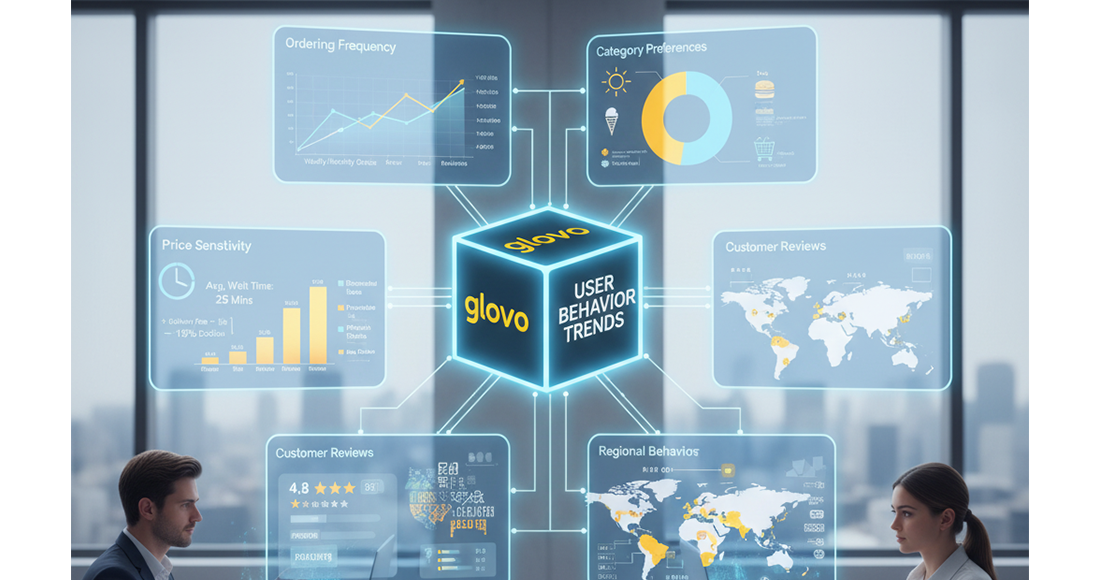
Scraping Glovo can reveal rich behavioral insights:
1. Ordering Frequency
- How often do customers place orders weekly or monthly?
- Are customers ordering more frequently post-pandemic?
2. Category Preferences
- Share of food vs. groceries vs. other items.
- Seasonal variations (ice cream in summer, comfort foods in winter).
3. Price Sensitivity
- Do users prefer discounted items or premium dishes?
- Impact of delivery fees on order decisions.
4. Delivery Time Expectations
- Average acceptable wait times.
- Peak demand hours (lunch vs. dinner).
5. Customer Reviews
- Sentiment around food quality, delivery speed, and packaging.
- Emerging keywords that indicate shifts in expectations.
6. Regional Behavior
- Neighborhood-level demand trends.
- Popular cuisines by country or city.
People’s perspectives provide a 360-degree view showcasing behaviors — the foundation when responding to real-time changes in commerce.
How to Scrape Glovo App Data
Scraping Glovo data requires technical expertise, ethical considerations, and the right tools.
Step 1: Define Objectives
- Do you want to analyze menus, promotions, or reviews?
- Are you tracking specific restaurants or the entire category?
Step 2: Identify Data Points
- Restaurant listings (name, cuisine, location).
- Menus (items, categories, add-ons).
- Prices and discounts.
- Delivery fees and times.
- Customer reviews and ratings.
Step 3: Choose Tools or APIs
- APIs: Glovo may have private or partner APIs for structured access.
- Scrapers: Python libraries like Scrapy, BeautifulSoup, or Selenium.
Example (Python pseudo-code):
import requests
from bs4 import BeautifulSoup
url = “https://glovoapp.com/city/restaurants”
response = requests.get(url)
soup = BeautifulSoup(response.text, “html.parser”)
for item in soup.find_all(“div”, class_=”restaurant-card”):
name = item.find(“span”, class_=”restaurant-name”).text
rating = item.find(“span”, class_=”rating”).text
print(name, rating)
Step 4: Store Data
Save results in databases like MySQL, MongoDB, or cloud-based systems.
Step 5: Process & Clean Data
- Remove duplicates.
- Normalize categories and cuisines.
- Standardize currency formats.
Step 6: Analyze Trends
- Use NLP for review sentiment analysis.
- Build dashboards in Power BI or Tableau for real-time tracking.
Use Cases of Glovo Data Scraping
1. Restaurants
- Benchmark prices against competitors.
- Monitor reviews for dish-level feedback.
- Identify trending cuisines in the region.
2. FMCG Brands
- Track product performance in Glovo’s grocery listings.
- Compare visibility and discounts against competitors.
- Monitor regional demand patterns.
3. Delivery Platforms
- Analyze customer loyalty drivers.
- Optimize ranking algorithms using sentiment data.
- Identify high-performing restaurants to feature.
4. Market Researchers
- Study macro food trends across Europe, Africa, and beyond.
- Forecast growth in categories like vegan, keto, or organic.
5. Investors
- Evaluate restaurant or grocery chain performance before funding decisions.
Benefits of Scraping Glovo App Data
- Real-Time Consumer Insights
Track user behavior as it evolves, not months later. - Competitive Benchmarking
Compare menus, pricing, and offers across restaurants. - Faster Innovation
Spot emerging trends early (e.g., plant-based protein demand). - Customer Retention
Use review data to address issues before churn. - Regional Customization
Tailor menus or promotions to local preferences. - Data-Driven Expansion
Plan entry into new markets with evidence-based demand analysis.
Challenges in Glovo Data Scraping
- Platform Barriers: Glovo may deploy CAPTCHAs, IP blocking, or rate limiting.
- Dynamic Structures: UI changes can break scrapers.
- Data Quality Issues: Raw scraped data often needs cleaning.
- Legal Risks: Must comply with Glovo’s terms of service and local data laws.
- Infrastructure Requirements: Scaling across multiple cities requires cloud infrastructure.
Best Practices for Scraping Food Delivery Apps
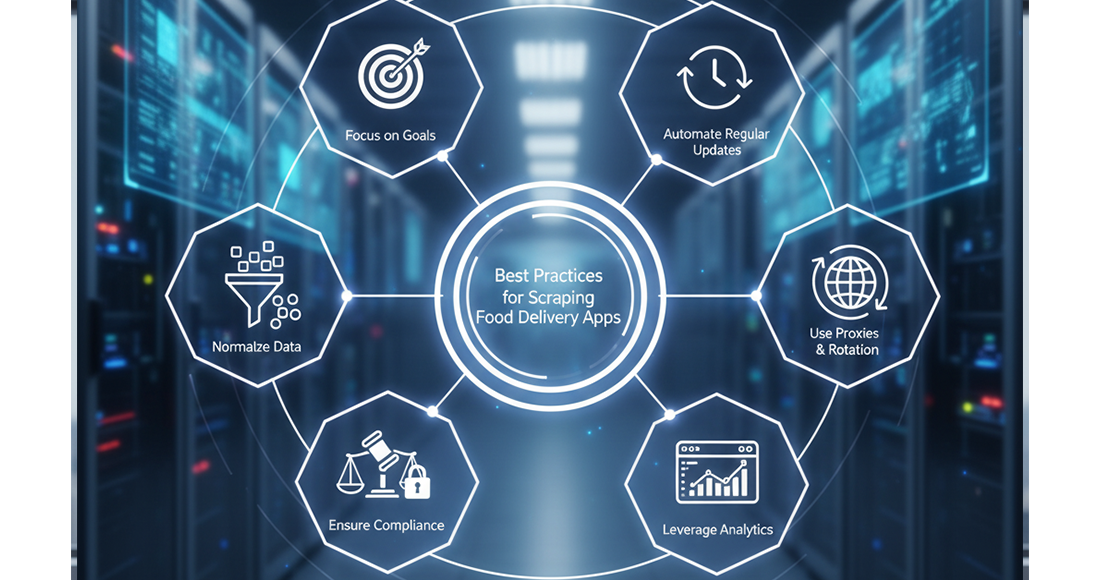
- Focus on Goals
Don’t collect unnecessary data—scrape with purpose. - Automate Regular Updates
Schedule scraping to keep datasets fresh. - Normalize Data
Standardize categories for accurate comparisons. - Use Proxies & Rotation
Prevent IP bans by rotating requests. - Ensure Compliance
Follow ethical scraping practices and regional regulations. - Leverage Analytics
Turn raw data into visual dashboards for decision-making.
Future of User Behavior Analysis in Food Delivery
By 2025, scraping and analytics will converge with AI and predictive modeling:
- Predictive Demand Forecasting: Anticipate spikes in orders for specific categories.
- AI-Driven Personalization: Tailored promotions based on user profiles.
- Dynamic Menu Adjustments: Restaurants will tweak menus in real time.
- Geo-Targeted Campaigns: Promotions designed for hyperlocal demand.
The businesses that adopt these innovations will lead the food delivery economy.
Scaling Businesses with Glovo Data
For small restaurants, scraping offers competitive visibility. For large chains, it delivers consistency across markets. For FMCG brands, it offers SKU-level performance monitoring. And for investors, it uncovers macro-trends across entire regions.
Simply put: Glovo data is a growth engine when scraped, cleaned, and analyzed effectively.
Conclusion: Why Food Data Scraping Matters
The food delivery industry in 2025 will have moved beyond mere speed in service. By having real-time intelligence, platforms like Glovo can capture behavior at the level of an individual user and make the smartest competitors’ advantage from this data.
By scraping Glovo app data, businesses can:
- Monitor pricing, promotions, and reviews.
- Understand consumer behavior across regions.
- Innovate faster with menu and product insights.
- Expand strategically with data-backed decisions.
At the foundation of all these opportunities lies Food Data Scraping—the process of turning fragmented platform data into structured, actionable insights. For restaurants, FMCG brands, and delivery platforms, food data scraping isn’t just an option—it’s the pathway to growth in the digital-first food economy.