

Introduction
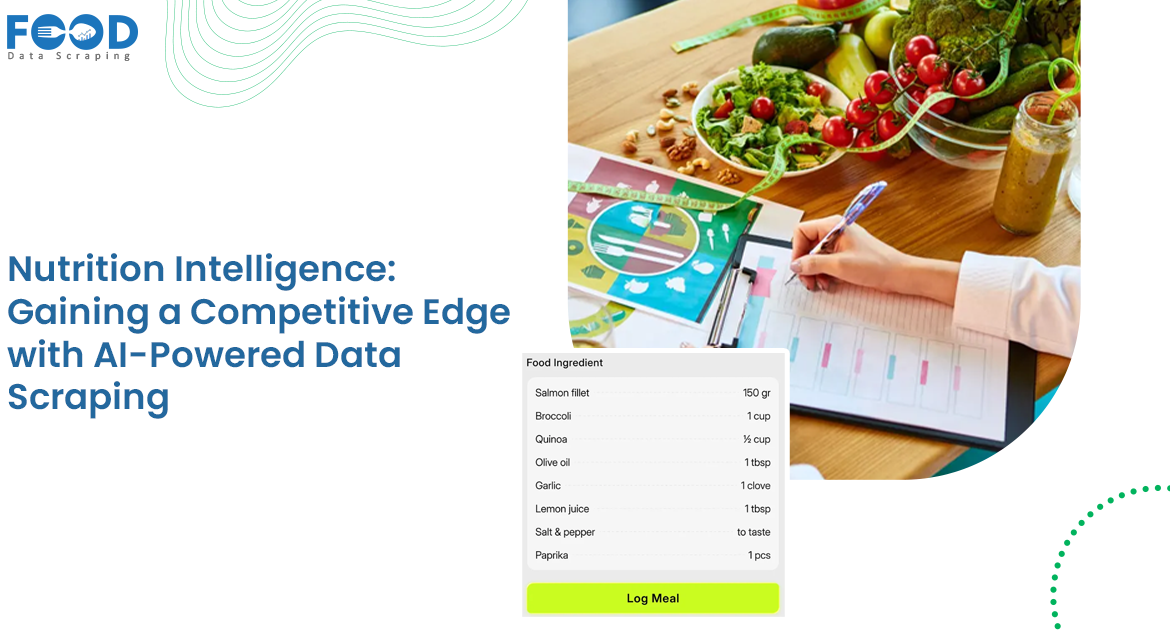
Nowadays, health concerns are crucial to consumer decision-making in the fast-growing worldwide consumer nutrition industry. Mostly, nutrition concerns in consumers are about transparency in calories, ingredients, allergens, and portion control to the extent that they allow companies from groceries to restaurant chains and even packaged food manufacturers to compete intensely in today’s difficult market. In times of slow profit realization, product companies are forced to move on quickly with personalized offerings.
The solution ends up being nutrition intelligence. Nutrition intelligence can be created as an end-to-end AI web scraping tool for collecting and analyzing all the nutrients on a scale.
Nutrition information, indeed, is not just about knowing a great deal and things that go into that meal; instead, it is better known by understanding customer behavior, competitive positioning, and market opportunities according to nutrition data. With intelligent scraping technology powered by AI, businesses can extract data automatically from thousands of platforms of food delivery platforms, websites for e-commerce, and restaurant menus of restaurants, among others
This blog sheds light on how brands can use nutrition intelligence as a competitive edge in the AI era, the challenges that abound, and how data scraping can unlock the doors to growth.
Why Nutrition Intelligence Matters
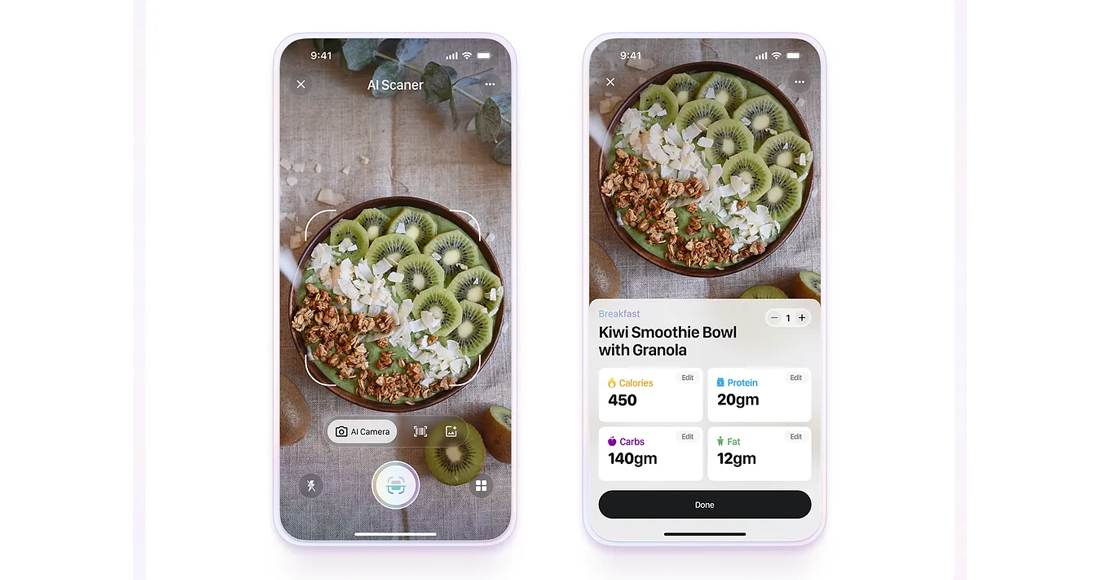
The modern consumer belongs to those who are not passive, but one that who actively compare nutritional profiles before purchasing food. The trends described were as follows:
- Health-Conscious Buying: Shoppers increasingly demand products with fewer calories, less sugar, and more natural ingredients.
- Diet-Specific Preferences: Vegan, keto, and gluten-free diets have created massive niche markets.
- Regulatory Pressures: Governments worldwide are mandating nutrition labeling and stricter transparency requirements.
- E-Commerce Growth: Online grocery and food delivery platforms display detailed nutrition information, influencing buyer choices.
For brands, nutrition intelligence is more than compliance—it’s a competitive differentiator. A restaurant chain that can quickly adapt menus to highlight “high-protein, low-carb” dishes or a grocery brand that tailors offerings for gluten-free shoppers can capture loyalty faster than rivals.
The Role of AI in Nutrition Intelligence
Manual research on nutrition data across thousands of products is impossible. This is where AI web scraping becomes indispensable.
AI enhances nutrition intelligence in three key ways:
- Automated Data Collection
These scraping tools, fueled by AI, pull up multiple sites’ ingredient lists, calorie counts, allergen warnings, and serving sizes simultaneously. - Natural Language Processing (NLP)
AI can interpret unstructured text like menu descriptions, product reviews, or labels that don’t follow standardized formats. - Predictive Analytics
After the gathering operation is completed, AI models are used to make future predictions with regard to developing diets and resorting to predicting consumer demand and advocating new transformative developments in the realm of food products.
For instance, if AI finds the rise of ‘plant-based protein’ corpus content across delivery mediums, then brands can fast adapt to include soy-based or tofu-based products.
Key Data Points in Nutrition Intelligence
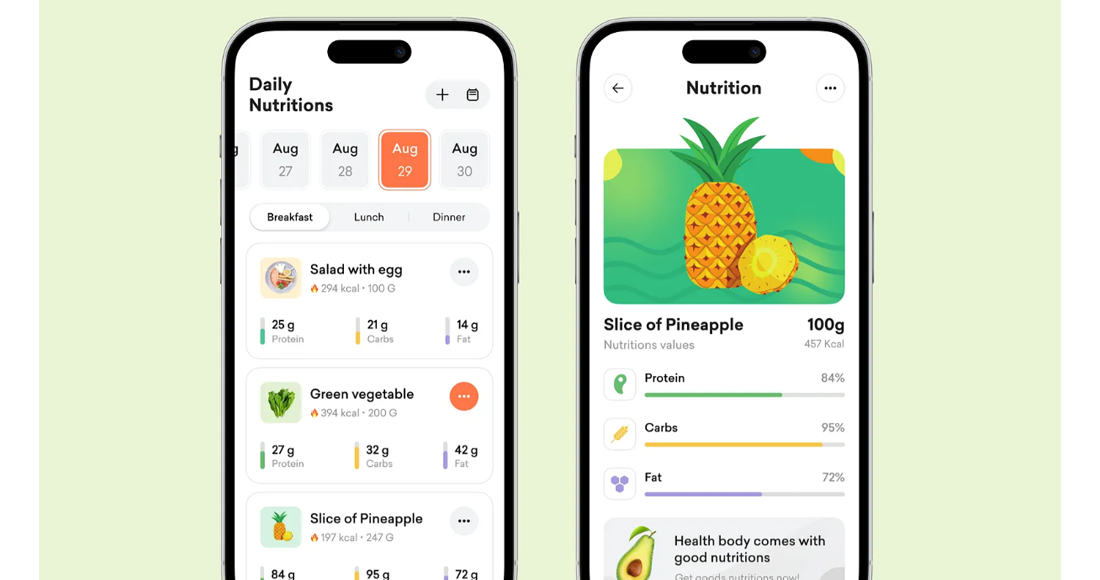
When scraping for nutrition intelligence, businesses often target the following data points:
- Calories and Macronutrients
- Energy (kcal), proteins, fats, carbohydrates.
- Micronutrients
- Vitamins, minerals, sodium, iron, calcium.
- Ingredients
- Full ingredient lists with allergen labeling.
- Portion Sizes
- Serving size per dish/package.
- Health Claims
- “Low fat,” “high fiber,” “organic,” “sugar-free.”
- Diet Compatibility
- Keto, vegan, vegetarian, gluten-free indicators.
- Allergen Information
- Contains nuts, dairy, soy, etc.
- Comparative Pricing with Nutrition Data
- How similar products are priced relative to their nutrition benefits.
These data points enable businesses to align product positioning with consumer health priorities.
Use Cases of Nutrition Intelligence
1. Competitive Benchmarking
Brands can distinguish the nutritional quality offered by their products against the competition. For example, if competitors advertise “20g protein per bar” in their snack bars, the product from this brand must do much better if it must remain competitive.
2. Menu Optimization for Restaurants
With an intelligent menu analysis, restaurants and cloud kitchens scrape data about the favorite dishes that are nutritious and redesign their current offering to add low carb pizzas, vegan treats, and some protein-packed bowls.
3. Personalized Marketing
In using nutrition intelligence to run personalized campaigns:
- Advertise refreshing, light beverages to people obsessed with fitness.
- Market some exclusive deals on gluten-free snacks in areas with high demand.
4. Product Development
AI-based nutritional data can guide several development teams to place product ideas in line with growing health trends.
5. Regulatory Compliance
Scraping ensures appropriate representation of the updated and accurate nutrition disclosure, preventing legal costs.
6. Retail Insights
Like a retail store would do in tracking what health-wise products are trendy with customers, groceries can identify popular nutrition products that could update their inventory.
Benefits of AI-Powered Nutrition Intelligence
- Faster Decision-Making
Real-time scraping ensures brands act quickly on new health trends. - Consumer Trust
Transparent, accurate nutrition data builds credibility and long-term loyalty. - Market Differentiation
Positioning as a health-focused brand creates a strong competitive edge. - Improved Sales & Retention
Consumers are more likely to reorder from brands that meet their dietary expectations. - Cost Savings
Avoid wasted R&D investments by aligning products with verified consumer demand.
Challenges in Nutrition Intelligence
Despite its potential, implementing nutrition intelligence isn’t without obstacles:
- Data Fragmentation
Nutrition details vary across platforms, requiring normalization. - Inconsistent Formats
Some sites list “sugar” while others specify “added sugar.” AI must standardize these differences. - Anti-Scraping Barriers
Platforms may use CAPTCHAs, rate limits, or dynamic content to block bots. - Compliance Concerns
Ethical scraping must respect privacy regulations and terms of service. - Data Volume
Millions of SKUs across multiple geographies demand robust infrastructure.
Best Practices for Nutrition Data Scraping
- Defining Clearly the Objectives : This will prompt you to take on the chore of scraping- best practices, whether applied for menu optimization, compliance, or product benchmarking.
- Validation of Data Accuracy: Check against sources with corresponding data to verify if scraped data is accurate.
- Automated Consistent Upgrades: Data from nutrition label configurations is continually being updated- always keep the data current by regularly scraping it.
- Invest in Data Cleaning: Standardize the units (g, ml, kcal) for a more accurate comparison.
- Meet Standard Compliance: Follow logical scraping means in accordance with the law of the land.
- Integrate with Analyzing Tools: Integrate neat datasets into BI dashboards for insights that can be operated upon.
The Future of Nutrition Intelligence
By 2030, nutrition intelligence will be coupled with AI validation. For example:
- Suggests meals tailored to your DNA profile.
- Adjusts restaurant menus dynamically based on regional demand for high-protein diets.
- Uses predictive analytics to recommend new product categories like insect-based protein or algae smoothies.
The intersection of AI and food data scraping with nutrition has the potential that change entirely how branding is competing. Scaling Nutrition Intelligence for Global Brands. This poses a clear outline for this activity among multinationals because opi can win or lose by mid-sized companies.
Scaling Nutrition Intelligence for Global Brands
For multinational brands, scaling nutrition intelligence requires:
- Multi-Regional Scraping: Adapting to different labeling standards (FSSAI in India vs. FDA in the U.S.).
- Language Processing: Handling multilingual nutrition data.
- Large-Scale Infrastructure: Collecting millions of data points across platforms.
- AI Models for Prediction: Identifying upcoming health trends before they hit the mainstream.
Companies that invest in this today will own the future of food innovation.
Conclusion: The Power of Food Data Scraping in Nutrition Intelligence
Nutrition intelligence is no longer a luxury; it has been elevated to a necessary competitive edge. Brands that adopt their AI-based scraping methods to capture nutrition data uniquely stand to learn a lot about what consumers prefer and the competitive features of emerging diet trends.
From optimizing menus, developing and launching new products, or simply ensuring a closer connection to customers through transparency, such nutrition data analysis will provide the key to sustained growth.
At the core of this transformation sits Food Data Scraping – the technology that converts the scattered nutritional information into actionable intelligence for brands and tips the balance in their favour amidst AI-driven competition.
Leave feedback about this