

Introduction
The global food delivery industry is growing rapidly, in which platforms like Foodpanda play a major part. It is no longer ideal for restaurants and companies to base themselves on intuiting their clientele’s needs alone; reality is, customers demand faster delivery, better pricing, and more choices.
Foodpanda is a form of contemporary food culture -an intermediary connecting to a customer base of millions from thousands of restaurants, their global operations spanning three continents, thereby keeping its restaurants away from a forced closure and confinement. It is more than just an entity contributing to food transfers: it is a mine of data that makes possible the cognition and understanding of every item on the menu, each commendation, standard savings, and delivery time as representing valuable information regarding consumer behavior and competition in the marketplace.
Foodpanda API is the wisest day to exploit and retrieve this information since it simplifies the process of scraping restaurants and their data. Alongside an easily understandable API that simplifies the practice of extracting data, it enables restaurants, FMCG companies, researchers, and app developers to directly incorporate Foodpanda insights within their systems.
This blog explores:
- Why Foodpanda data matters in 2025.
- What the Foodpanda API offers.
- How to scrape and integrate restaurant data.
- Key use cases across industries.
- Benefits, challenges, and best practices.
- Why Food Data Scraping is essential for growth in the digital-first economy.
Why Foodpanda Data Matters
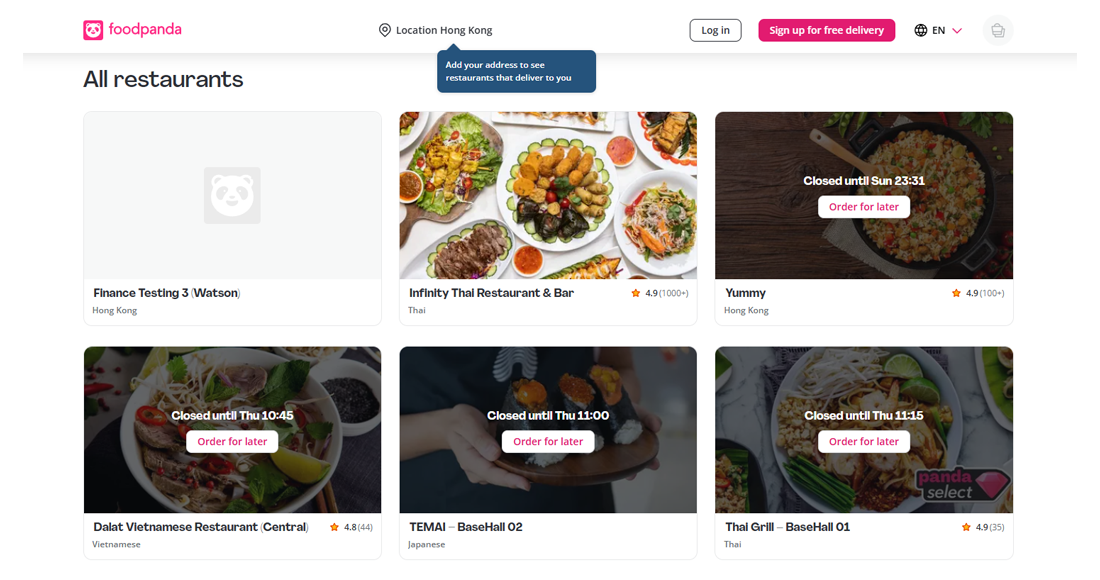
Foodpanda has the mechanism of integrating restaurants, the menus, and the delivery services that make it possible for customers to experience a seamless basket of different orders. Consenting to enterprises, such integration means opportunities for competitive insights.
Data Businesses Can Extract from Foodpanda:
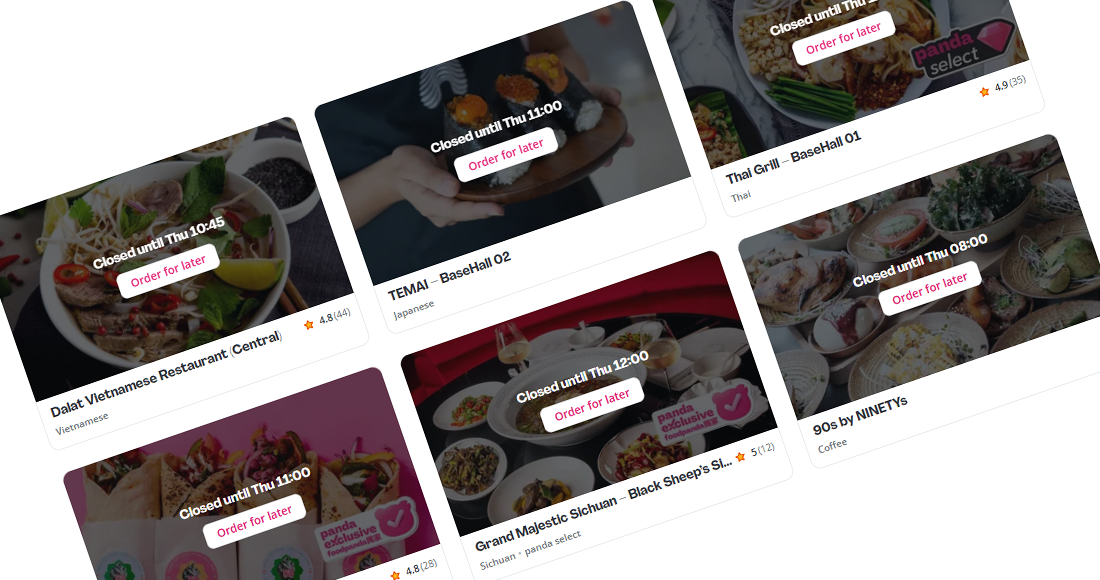
- Restaurant listings – names, locations, types of food offered, and ratings.
- Menu information – item names, category, prices, and modifications.
- Promotions – Discounts, BOGO deals with seasonal menus.
- Customer reviews – Quality, fast, and satisfactory packaging in the form of sentiment.
- Delivery information – Chargeable, surge rates, and estimated delivery time.
- Regional – Popular dishes across neighborhoods, category-wise.
For restaurants, FMCG brands, and delivery platforms, this data provides strategic intelligence on how to remain competitive and customer-focused.
What Is the Foodpanda API?
API stands for Application Programming Interface. To complete scraping with Foodpanda, it’s best to experiment with using the heavy Foodpanda API with objects that will still allow structured data to be more permeated and located easily.
Features of the Foodpanda API:
- Automated Data Collection: Fetch and review pricing and menus.
- Multi-Region Access: Saves data from different cities or countries. And updates when a change occurs in pricing and promotion immediately.
- Dynamic Updates: Capture real-time changes in pricing or promotions.
- Scalable Output: Export data to a JSON or CSV file. Direct integration with business intelligence platforms/environments to convert data to output.
- Customizable Queries: Now, as the system collects the requests concerning specific categories, cuisines, and locations, it is necessarily perceiving more data.
Foodpanda API is not only about getting the raw data, it’s about business workflows that can be embedded from insight at ease.
How to Scrape Restaurant Data Using Foodpanda API
Step 1: Define Objectives
Identify what data matters most: menus, promotions, reviews, or delivery metrics.
Step 2: API Access or Scraping Setup
- Some regions may provide developer APIs.
- Alternatively, businesses can use custom scraping tools with Python libraries like Scrapy, BeautifulSoup, or Selenium.
Step 3: Send API Requests
Example (pseudo-code in Python):
import requests
url = “https://api.foodpanda.com/v1/restaurants?location=Singapore”
headers = {“Authorization”: “Bearer YOUR_API_KEY”}
response = requests.get(url, headers=headers)
data = response.json()
for restaurant in data[‘restaurants’]:
print(restaurant[‘name’], restaurant[‘cuisine’], restaurant[‘rating’])
Step 4: Store Data
Use databases such as MySQL or MongoDB to store structured results.
Step 5: Clean & Normalize
- Standardize menu categories.
- Remove duplicates.
- Ensure consistent currency and units.
Step 6: Analyze & Visualize
- Use Power BI or Tableau dashboards.
- Apply Natural Language Processing (NLP) for sentiment analysis.
- Benchmark prices against competitors.
Key Insights Gained from Foodpanda Data
- Menu Pricing Intelligence
- Compare dish prices across competitors in real time.
- Consumer Sentiment
- Analyze review data to identify satisfaction and complaints.
- Promotion Tracking
- Understand competitor offers and design better deals.
- Delivery Insights
- Monitor delivery times and charges across regions.
- Regional Preferences
- Discover trending cuisines and adapt offerings accordingly.
Use Cases of Foodpanda Data Extraction
1. Restaurants & Cloud Kitchens
- Benchmark against competitor pricing.
- Monitor reviews for menu and service improvements.
- Identify trending dishes in local areas.
2. FMCG & Packaged Food Brands
- Track product availability and performance in restaurant listings.
- Compare brand visibility against competitors.
3. Delivery Platforms
- Improve algorithms for ranking and recommendations.
- Identify high-performing restaurants for partnerships.
4. Market Researchers
- Forecast cuisine trends across regions.
- Study consumer demand patterns at scale.
5. Investors
- Evaluate restaurant performance based on reviews and pricing.
Benefits of Using the Foodpanda API
- Real-Time Competitive Benchmarking
Capture competitor menu changes and offers instantly. - Smarter Decision-Making
Build strategies backed by structured insights. - Efficiency at Scale
Automate what would otherwise take hours of manual effort. - Customization
Extract exactly the data you need. - Regional Flexibility
Track differences in pricing and demand across multiple cities. - Improved Profit Margins
Design promotions that boost revenue without eroding margins.
Challenges in Foodpanda Data Scraping
- Platform Restrictions: APIs may limit the number of daily requests.
- Dynamic Changes: Menus and offers are updated frequently.
- Anti-Scraping Measures: CAPTCHAs, IP blocking, and detection systems.
- Data Normalization: Cleaning data for accurate comparisons is essential.
- Legal & Ethical Considerations: Ensure compliance with terms of service.
Best Practices for Restaurant Data Scraping
- Set Clear Goals
Only scrape data relevant to your objectives. - Automate Regular Updates
Schedule API calls or scraping daily or hourly. - Normalize Data
Standardize menu names, prices, and categories. - Stay Compliant
Follow ethical scraping and local data laws. - Use Proxy Infrastructure
Avoid detection by rotating IPs. - Leverage Analytics
Turn raw data into visual insights with dashboards. - Partner with Experts
Work with specialized providers for reliable scalability.
The Future of Foodpanda Data Intelligence
In 2025 and beyond, APIs will evolve to integrate with AI and predictive analytics:
- AI-aided Pattern Scaling: Estimate surges in purchasing requests through the context of occurrence time, place, or season.
- Use Dynamic Pricing Models: Automate price changes in response to what rivals are doing.
- Personalization Engines: Using Landmark’s digital application and managed services, create hyper-localized offers and suggestions.
- Operations Optimization: Delivery logistics align with fine-tuned ‘real-time’ demand signals, streamlining processes between manufacturing plants and distribution warehouses.
The API data from Foodpanda will no longer be for just informing decisions; it will be an enabler of automated predictive business wisdom.
Scaling Businesses with Foodpanda Data
With small-sized restaurants, the fast visibility into competitors is accomplished by scraping the application programming interface. With cloud kitchens, optimization is possible for menu and pricing tags across multiple outlets. For fast-moving consumer goods (FMCG) brands, it is another way of repository insights across entire geographies. And for any delivery platform, this strengthens algorithms and customer retention strategies.
Of course, properly scraped, harmonized, and analyzed, each Foodpanda data point also represents a growth driver in each of these cases.
Conclusion: The Power of Food Data Scraping
In the present scenario for food service with delivery, platforms like Foodpanda have matured significantly to become more than order facilitators; they are among the data ecosystems that reflect the real-time behavior of consumers and market trends.
By using the Foodpanda API for restaurant data scraping, businesses can:
- Monitor competitor pricing and menus.
- Track promotions and seasonal campaigns.
- Analyze customer sentiment.
- Plan strategic expansion with regional insights.
At the foundation of this intelligence lies Food Data Scraping—the practice of turning scattered online data into structured, actionable insights. For restaurants, FMCG brands, delivery platforms, and analysts, food data scraping isn’t just about technology—it is the key to thriving in a highly competitive, digital-first food economy.
Leave feedback about this