

Introduction
The global grocery industry is shifting in a seismic manner. With growing conditions of affordability, transparency, and convenience, grocery delivery platforms are starting to update prices in real time. Pricing strategy changes from static to dynamic and competitive in those settings of Walmart and Instacart of the U. S., BigBasket and Blinkit of India, Coles, and Woolworths of Australia.
Grocery Price Tracking API sits at the heart of this revolution. It is an API enabling businesses, retailers, and analysts to automatically check and research grocery pricing across platforms and geographies. Those days of an analyst manually juxtaposing product prices in different apps are gone. Instead, an API can collect, standardize, and deliver real-time grocery datasets, which an analyst can then use for actionable intelligence.
This blog explores how grocery price tracking APIs are powering top platforms in the U.S., India, and Australia, why this data matters, how scraping works, challenges, best practices, and how Food Data Scraping is the foundation for competitive advantage in the modern grocery economy.
Why Real-Time Grocery Price Tracking Matters
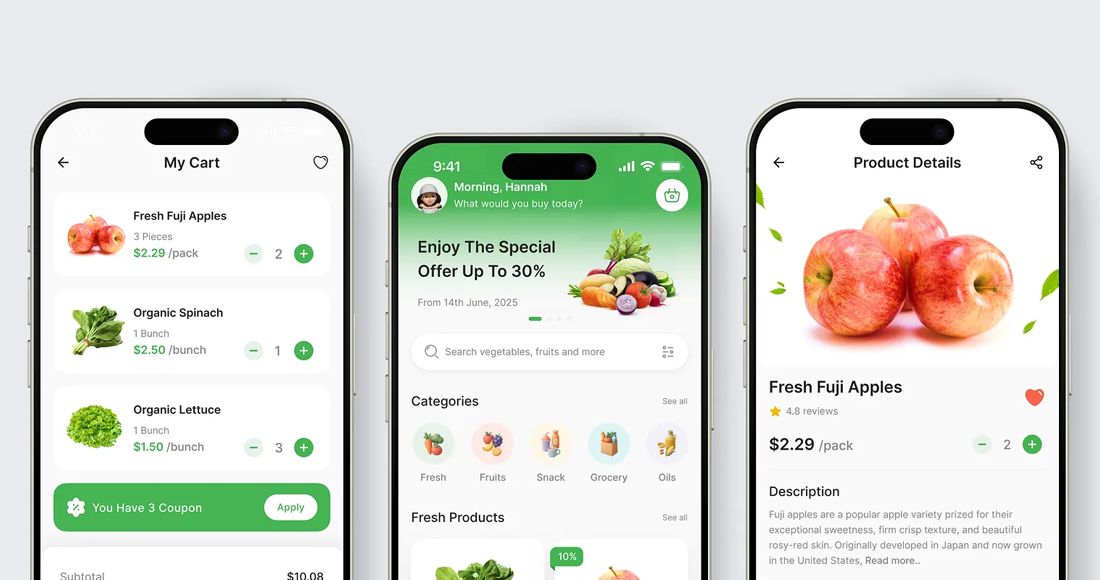
The act of grocery shopping has pulled away from aisles full of products into mobile first convenience. Customer behavior no longer includes comparing prices aisle by aisle; instead, they open random apps like Amazon Fresh, Zepto, or Coles Online to instantly check prices. This has made the market so competitive that even small price differences can affect purchase decisions.
For businesses, this means they cannot afford to be blindsided. Real-time grocery price tracking provides the visibility required to:
- Compare competitors’ prices for identical or substitute products.
- Respond dynamically with price adjustments.
- Detect and capitalize on promotional campaigns.
- Identify regional pricing variations across cities or countries.
With thin margins and high competition, price tracking APIs are no longer optional—they are strategic necessities.
What Is a Grocery Price Tracking API?
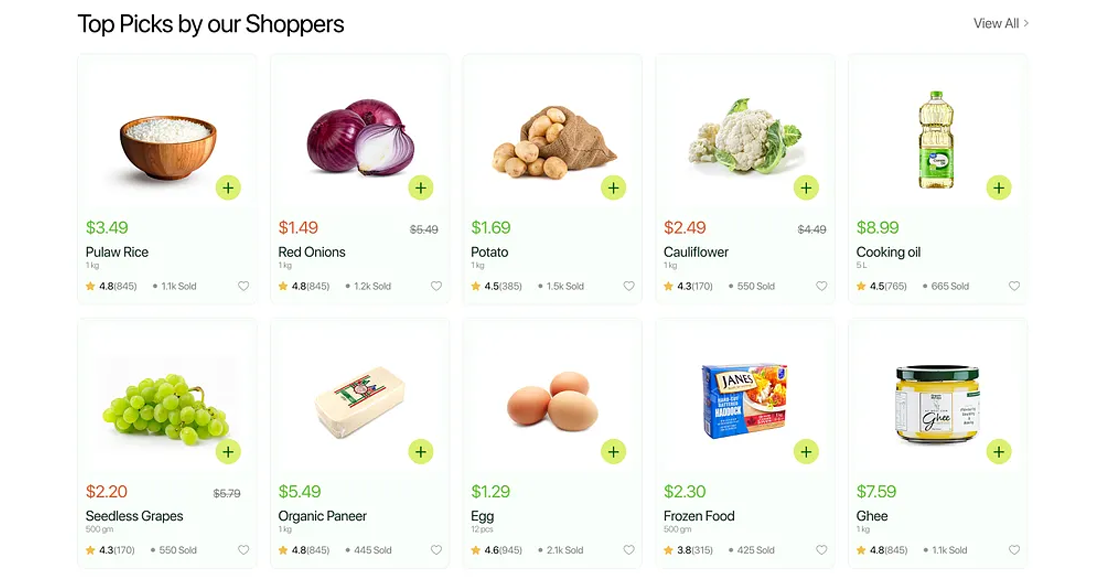
A Grocery Price Tracking API is a data pipeline that connects grocery platforms with businesses seeking pricing intelligence. APIs either come officially from platforms or are custom-built scraping APIs designed to capture product details and pricing.
Data Extracted via Grocery Price Tracking APIs:
- Product Details: Name, SKU, category, size, brand.
- Pricing Information: MRP vs. selling price, discounts, and cashback offers.
- Promotions: Flash sales, bundles, loyalty programs.
- Availability: In-stock, low-stock, out-of-stock status.
- Regional Insights: Price differences across cities or delivery zones.
With data consolidation into structured datasets, businesses can base their decisions on real-time, accurate, and scalable intelligence.
Grocery Price Tracking in the U.S.
Although having its headquarters located here, some of the largest grocery platforms in the world are said to be in this region: Walmart, Kroger, Amazon Fresh, and Instacart.
Why Price Tracking Is Critical in the U.S.:
- Dynamic Promotions: Frequent discounts, loyalty programs, and bulk deals.
- Omnichannel Retailing: Integration of offline and online pricing.
- Regional Variability: Different pricing strategies across states.
Adjustments are made to offers in order to stay competitive due to changes in competitor strategies with regard to seasonal promotions (Thanksgiving, Christmas, etc.). The various U. S. grocery platforms that the companies keep an eye on through their data-gathering procedures are:
Suppose that Walmart goes ahead with a weekend discount on beverages and Amazon Fresh goes ahead with slashing prices on pantry items; then the price tracking API will catch such price changes firsthand and report them to these businesses in real time.
Grocery Price Tracking in India
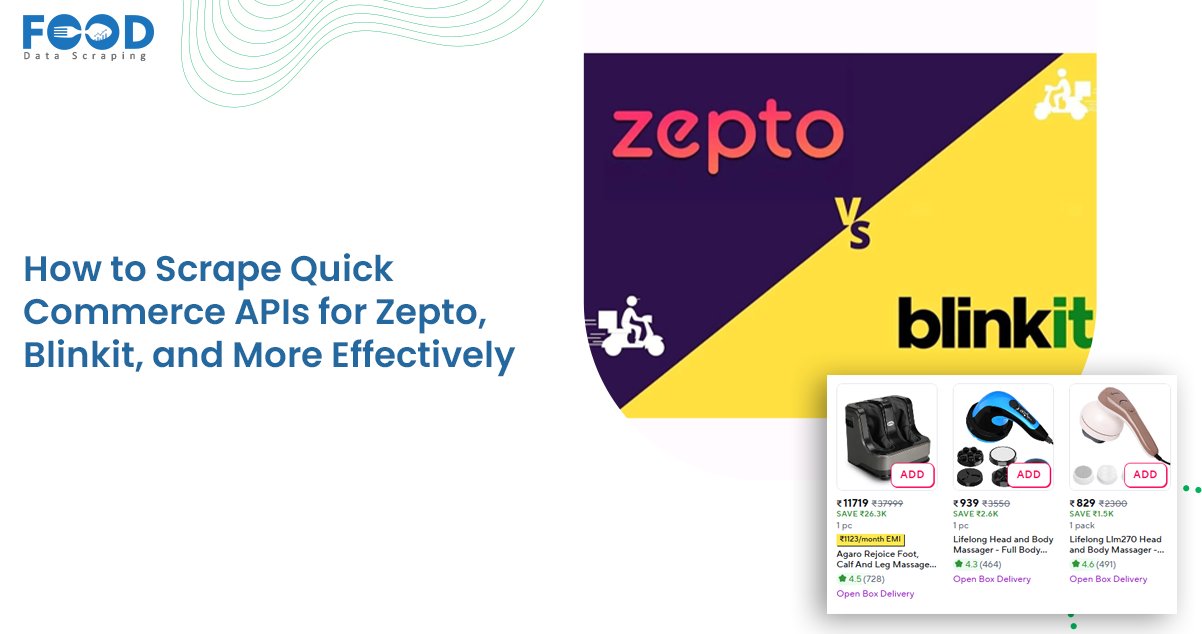
In India, the grocery delivery sector is extremely competitive, with major companies like BigBasket, Zepto, Blinkit, and Reliance JioMart leading the market.
Why Price Tracking Matters in India:
- Price-Sensitive Consumers: Small differences can sway large volumes of customers.
- Flash Discounts: Platforms regularly experiment with short-lived deals.
- Festive Promotions: Diwali, Holi, and Eid drive massive pricing campaigns.
- Hyperlocal Pricing: Prices vary by PIN code and availability zones.
For instance, a consumer in Bangalore might see different Blinkit prices for the very same rice brand one would find in Delhi. A grocery price tracking API makes sure that the business is able to identify these regional variances and act accordingly.
Grocery Price Tracking in Australia
Australia’s grocery ecosystem is dominated by Coles, Woolworths, and IGA, along with quick commerce entrants.
Why Price Tracking Is Important in Australia:
- Dominance of Two Major Players: Coles and Woolworths constantly compete for pricing leadership.
- Consumer Loyalty Programs: Price tracking APIs help decode these strategies.
- Premium and Organic Demand: Scraping data reveals price fluctuations in specialty categories.
- Regional Pricing: Different states often have unique promotions.
Businesses track APIs across Australian grocery platforms to see the lowering of prices on fresh produce by Coles to achieve market share, while Woolworths retaliates. Price scraping lends transparency to this very competitive environment.
How Grocery Price Tracking APIs Work
Step 1: Identify Target Platforms
Select relevant grocery apps or websites across geographies (e.g., Walmart in the U.S., Zepto in India, Woolworths in Australia).
Step 2: Locate API Endpoints
- Use official APIs when available.
- For platforms without public APIs, build custom scraping APIs by reverse engineering mobile requests.
Step 3: Authenticate & Collect Data
Pass headers, tokens, and cookies to simulate real requests. Extract structured JSON responses.
Example in Python (pseudo-code):
import requests
url = “https://api.groceryplatform.com/v1/products?location=Sydney”
headers = {“Authorization”: “Bearer YOUR_API_KEY”}
response = requests.get(url, headers=headers)
data = response.json()
for product in data[‘products’]:
print(product[‘name’], product[‘price’], product[‘availability’])
Step 4: Normalize Data
- Standardize product units (g, kg, L).
- Convert currencies (USD, INR, AUD).
- Align categories across geographies.
Step 5: Store Data
Use SQL, MongoDB, or cloud warehouses for scale.
Step 6: Analyze and Visualize
Feed into BI dashboards like Tableau or Power BI for actionable intelligence.
Use Cases of Grocery Price Tracking APIs
FMCG Brands
Track how products are priced across geographies. Adjust promotions for maximum ROI.
Retailers
Benchmark pricing against online platforms and prevent margin erosion.
Restaurants & Cloud Kitchens
Monitor ingredient costs across grocery platforms to optimize menu pricing.
Market Researchers
Analyze regional consumer behavior and cross-country trends.
Investors
Assess growth potential by tracking pricing strategies across grocery platforms.
Benefits of Grocery Price Tracking APIs
- Real-Time Visibility
Instant competitor and market intelligence. - Scalability
Monitor thousands of SKUs across multiple countries. - Efficiency
Automate manual comparisons, saving time and costs. - Data-Driven Decisions
Respond to promotions with precision. - Cross-Market Benchmarking
Compare U.S., Indian, and Australian grocery strategies at scale.
Challenges in Grocery Price Scraping
- Dynamic Platforms: Prices update multiple times daily.
- Anti-Scraping Measures: CAPTCHAs, IP blocking, and bot detection.
- Regional Variability: Same product priced differently by city or region.
- Data Normalization: Inconsistent naming (e.g., “Coca Cola 1L” vs. “Coke 1 Ltr”).
- Legal Compliance: Data laws differ by country (GDPR, CCPA, Indian IT laws).
Best Practices for Grocery Price Tracking
- Define Clear Objectives: Focus on relevant products or categories.
- Automate Updates: Schedule for regular scraping to stay updated.
- Use Rotating Proxies: Avoid IP bans.
- Normalize Data: Make sure that units and categories are consistently assigned.
- Respect Compliance: Conform to laws applicable to data in the region.
- Leverage AI Forecasting: Use price datasets alongside prediction analytics.
- Partner with Experts: Work with specialized suppliers for scale and accuracy.
The Future of Grocery Price Tracking
Within five years, price tracking will turn into a predictive analysis and will transition from reactive analysis.
- AI-Driven Dynamic Pricing: Algorithms will adjust prices in real time based on competitor moves.
- Personalized Promotions: Platforms will tailor discounts to individual customers.
- Cross-Market Optimization: Brands will use global data to harmonize pricing across countries.
- Supply Chain Integration: Procurement will sync directly with price signals to minimize costs.
The future belongs to businesses that embrace data-driven agility.
Conclusion: The Role of Food Data Scraping
The grocery industry is now being subjected to real-time price wars, with cross-border competition and consumer demand for transparency. To provide critical insight into competitor pricing and promotional policies, grocery price tracking APIs have been made available to businesses-from Walmart in the U. S. to Zepto in India, to Woolworths in Australia.
By scraping grocery APIs effectively, businesses can:
- Benchmark prices across geographies.
- Adjust promotions with agility.
- Forecast demand based on pricing patterns.
- Gain a competitive advantage in local and global markets.
Food Data Scraping is the essence-this is the transformation taking unstructured, dynamic online data into structured, usable intelligence. For FMCG brands and retailers, cloud kitchens, and market analysts, food data scraping is more than just a technical solution: it is the basis for smart pricing, better customer experiences, and sustainable growth in the grocery economy.
Leave feedback about this